Earth Planet – Complete Information About Our Beautiful Blue Planet
Earth Planet – The Beautiful Home of Life
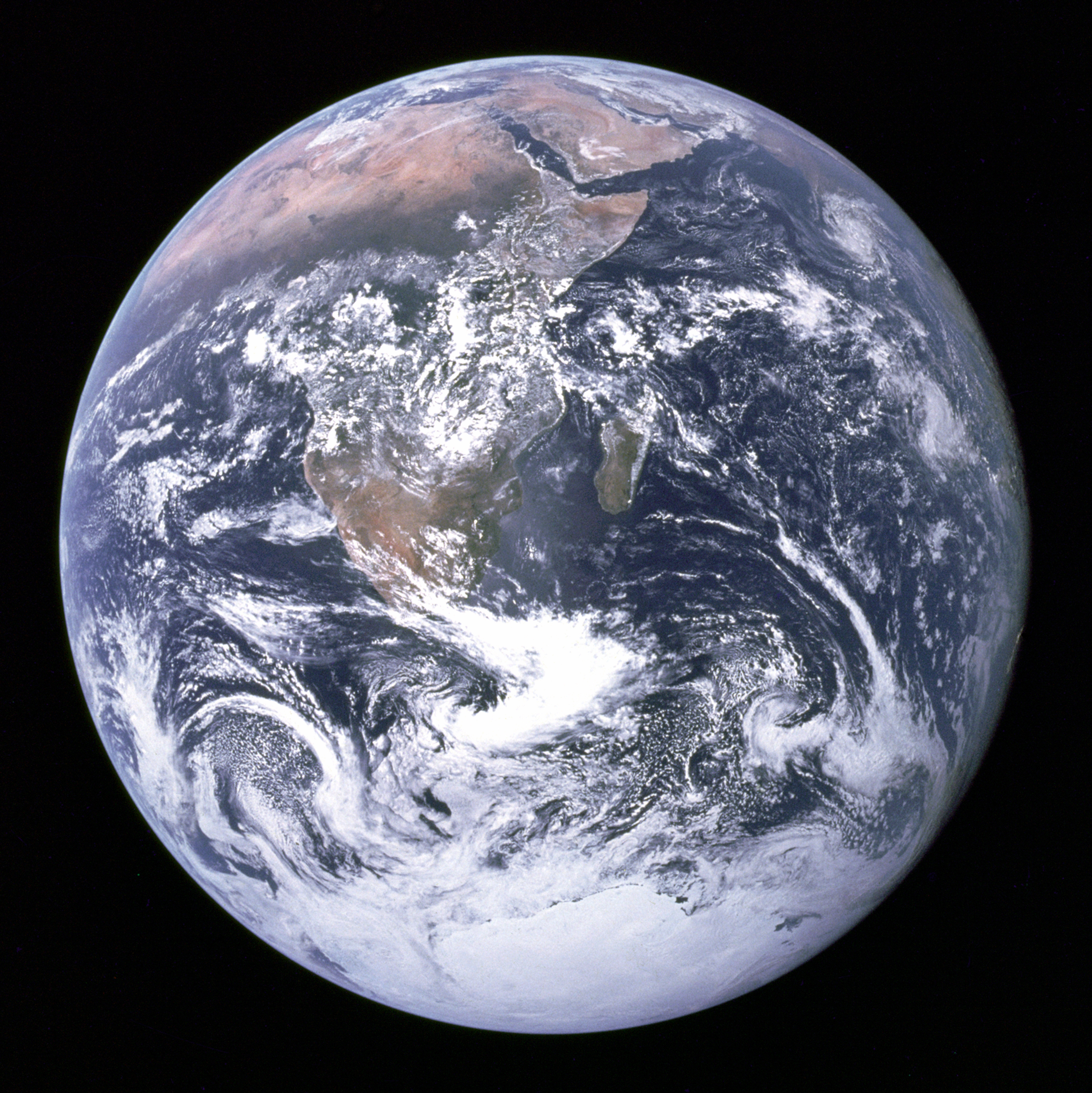
Earth is the third planet from the Sun and the only known planet in the universe where life exists. It is a beautiful blue world filled with oceans, mountains, forests, deserts, rivers, and millions of living species. Humans, animals, birds, insects, and plants all depend on Earth for survival. Because of its unique atmosphere and suitable climate, Earth has become a perfect home for life for billions of years.
The Earth was formed around 4.5 billion years ago from clouds of gas and dust in space. Over time, the planet cooled and developed solid land, water bodies, and an atmosphere. Today, Earth continues to change through natural processes such as volcanic eruptions, earthquakes, rainfall, and climate patterns. Scientists study Earth to understand its history, structure, and future.
Position of Earth in the Solar System
Earth is located between Venus and Mars in the solar system. It orbits the Sun at an average distance of about 150 million kilometers. This distance is very important because it allows Earth to receive the right amount of sunlight and heat. If Earth were too close to the Sun, temperatures would become extremely hot. If it were too far away, the planet would freeze. This perfect distance is often called the “Goldilocks Zone,” where conditions are suitable for life.
Earth takes approximately 365 days to complete one revolution around the Sun. This movement creates one full year. At the same time, Earth rotates on its axis every 24 hours, creating day and night. The tilt of Earth’s axis is responsible for the changing seasons such as summer, winter, spring, and autumn.
Shape and Structure of Earth
Earth is not completely round like a perfect sphere. It is slightly flattened at the poles and bulged at the equator. This shape is known as an oblate spheroid. The planet has several important layers inside it, including the crust, mantle, outer core, and inner core.
1. Crust – The outer solid layer where humans live.
2. Mantle – A thick layer of hot rock beneath the crust.
3. Outer Core – A liquid layer made mostly of iron and nickel.
4. Inner Core – A solid metal center with extremely high temperatures.
The crust contains continents and ocean floors. The mantle slowly moves over time, causing tectonic plates to shift. This movement leads to earthquakes, mountain formation, and volcanic eruptions.
Earth’s Atmosphere
The atmosphere is a layer of gases surrounding Earth. It protects life by blocking harmful radiation from the Sun and maintaining suitable temperatures. The atmosphere is mainly composed of nitrogen and oxygen, along with small amounts of carbon dioxide and other gases.
Earth’s atmosphere has several layers including the troposphere, stratosphere, mesosphere, thermosphere, and exosphere. Weather changes occur mostly in the troposphere, the lowest layer. The ozone layer in the stratosphere protects living organisms from harmful ultraviolet rays.
Without the atmosphere, life on Earth would not be possible. It provides oxygen for breathing, supports the water cycle, and helps regulate climate and temperature.
Water on Earth
Earth is often called the “Blue Planet” because around 71% of its surface is covered with water. Oceans, seas, rivers, lakes, glaciers, and underground water sources are all part of Earth’s water system. Water is essential for every form of life.
The five major oceans are the Pacific Ocean, Atlantic Ocean, Indian Ocean, Southern Ocean, and Arctic Ocean. Oceans influence weather patterns, absorb heat from the Sun, and provide habitats for countless marine species.
Freshwater is found mainly in rivers, lakes, glaciers, and underground reservoirs. Humans use freshwater for drinking, agriculture, industries, and daily activities. Protecting water resources is one of the most important responsibilities of modern society.
Life on Earth
Earth is the only known planet that supports life. Millions of species live on Earth, from microscopic bacteria to giant whales and tall trees. Scientists believe that life began in Earth’s oceans billions of years ago and gradually evolved into different forms.
Plants produce oxygen through photosynthesis and form the base of the food chain. Animals depend on plants directly or indirectly for food. Humans have developed advanced civilizations, technologies, and cultures while depending heavily on Earth’s natural resources.
Biodiversity is very important because every species plays a role in maintaining ecological balance. Forests clean the air, bees help in pollination, and oceans regulate climate. The loss of biodiversity can create serious environmental problems.
Climate and Weather
Earth experiences different climates and weather conditions across regions. Some places remain hot throughout the year, while others experience freezing temperatures. Weather includes daily changes such as rain, sunshine, storms, and wind, while climate refers to long-term weather patterns.
The Sun is the main source of energy that drives weather systems. Ocean currents, mountains, forests, and atmospheric pressure also affect climate conditions. Earth’s climate has changed naturally over millions of years, but human activities are now causing rapid global warming.
Burning fossil fuels, deforestation, and pollution increase greenhouse gases in the atmosphere. This leads to rising temperatures, melting glaciers, stronger storms, and rising sea levels. Climate change is one of the greatest challenges facing humanity today.
Natural Resources of Earth
Earth provides many valuable natural resources such as water, minerals, forests, soil, oil, coal, and natural gas. These resources support human civilization and economic growth. Agriculture depends on fertile soil and clean water, while industries depend on minerals and energy resources.
However, excessive use of natural resources can damage the environment. Deforestation destroys wildlife habitats, mining can pollute rivers, and overfishing harms marine ecosystems. Sustainable development is necessary to ensure that future generations can also benefit from Earth’s resources.
Earth and Space Exploration
Humans have always been curious about Earth and the universe. Satellites orbit Earth to study weather, communication systems, oceans, forests, and climate changes. Astronauts have viewed Earth from space and described it as a fragile and beautiful planet.
Modern technology allows scientists to monitor environmental changes, predict natural disasters, and improve understanding of Earth’s systems. Space exploration also helps researchers compare Earth with other planets like Mars and Venus.
Importance of Protecting Earth
Earth is the only home humanity has. Protecting the environment is essential for the survival of future generations. Simple actions such as planting trees, saving water, reducing pollution, recycling waste, and using renewable energy can help preserve the planet.
Governments, organizations, and individuals around the world are working together to fight climate change and protect ecosystems. Environmental awareness and responsible living can make a huge difference in maintaining Earth’s natural beauty and balance.
Conclusion
Earth is a remarkable planet filled with natural beauty, diverse ecosystems, and endless wonders. From vast oceans and towering mountains to forests and deserts, every part of Earth contributes to the balance of life. It is the only known planet where humans and countless other species can survive and thrive.
Understanding Earth helps people appreciate the importance of nature and environmental conservation. As technology and human populations continue to grow, protecting Earth becomes more important than ever. By caring for the planet responsibly, humanity can ensure a healthier and more sustainable future for generations to come.

Frequently Asked Questions (FAQs) About Earth
1. What is Earth?
Earth is the third planet from the Sun and the only known planet that supports life. It is often called the Blue Planet because most of its surface is covered with water.
2. How old is Earth?
Scientists estimate that Earth is approximately 4.5 billion years old.
3. Why is Earth called the Blue Planet?
Earth is called the Blue Planet because around 71% of its surface is covered by oceans and water, making it appear blue from space.
4. What are the main layers of Earth?
The main layers of Earth are the crust, mantle, outer core, and inner core.
5. How long does Earth take to rotate once?
Earth takes about 24 hours to complete one rotation on its axis, creating day and night.
6. How long does Earth take to orbit the Sun?
Earth takes approximately 365 days and 6 hours to complete one revolution around the Sun.
7. What is Earth’s atmosphere made of?
Earth’s atmosphere is mainly made of nitrogen, oxygen, carbon dioxide, and small amounts of other gases.
8. Why is Earth important for life?
Earth provides water, oxygen, food, and a suitable climate that makes life possible for humans, animals, and plants.
9. What causes seasons on Earth?
Seasons occur because Earth is tilted on its axis while revolving around the Sun.
10. What are the biggest environmental problems on Earth?
Some major environmental problems include climate change, pollution, deforestation, global warming, and loss of biodiversity.
11. How much of Earth is covered by water?
Approximately 71% of Earth’s surface is covered by water, mainly oceans and seas.
12. Can humans survive without Earth’s atmosphere?
No, humans cannot survive without Earth’s atmosphere because it provides oxygen and protects life from harmful solar radiation.


Comments
Post a Comment
Thanks for your comments